
Understanding Heat Sealing In Packaging
What is heat seal packaging and what use does it give?
Heat-sealing is a process in modern packaging, ensuring that products are securely enclosed while maintaining their integrity. This technique involves applying heat and pressure to bond materials like plastic films and foils, creating airtight and tamper-proof seals. Whether in pharmaceuticals or food packaging, heat-sealing plays an important role in protecting products from contamination, moisture, light and external damage.
Heat-sealing machines are specialized equipment designed to execute precise and reliable seals. These machines operate by heating sealing bars or elements to a controlled temperature, which then fuses the packaging material at the seam. Depending on the material type and application, different sealing methods are used to achieve optimal results. Whether it’s ensuring the sterility of medical supplies or preserving the freshness of perishable goods, heat-sealing technology has become an essential component of efficient and high-quality packaging solutions.
Advancements in Heat-Sealing Technology
Heat-sealing technology keeps on with impressive improvements in speed, precision and efficiency. Modern sealing machines are now faster than ever, enabling manufacturers to pack products at high volumes without compromising on quality. This is particularly valuable in industries like pharmaceuticals and food, where rapid and secure packaging is essential to maintaining product integrity.
Beyond speed, digital controls have transformed the sealing process by ensuring precise temperature regulation and real-time monitoring. These smart systems prevent overheating, reduce material waste and guarantee consistently strong seals. Meanwhile, automation has streamlined operations by minimizing manual labor, reducing errors and enhancing overall efficiency. This way automated heat-sealing machines not only improve output but also contribute to more sustainable packaging practices by optimizing material use.
Different Types of Heat-Sealing Machines and Techniques
Heat-sealing machines come in various types, each designed to handle specific materials and applications. Choosing the right sealing method is crucial for ensuring durability, efficiency and product safety.
Platen heat-sealing machines: Uses flat, heated plates that press down evenly on the entire product and ensure consistent heat and pressure distribution, leading to high-quality seals.
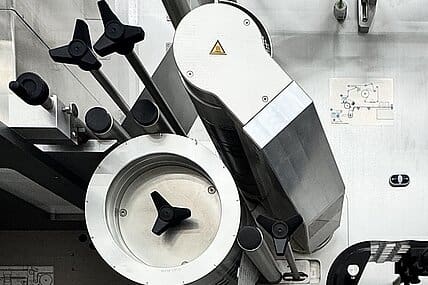
Rotary heat-sealing machines: Uses continously rotating rollers that apply heat and pressure to seal the product and are ideal for high-output production, making it well-suited for large-scale pharmaceutical packaging.
Benefits of Advanced Heat-Sealing Techniques
Innovations in heat-sealing technology have significantly improved the quality, efficiency and sustainability of packaging. One of the most notable benefits is enhanced seal strength, which ensures packaging remains intact during storage and transportation. Stronger, more reliable seals not only protect products from contamination and tampering but also extend shelf life, an essential factor in industries like food and pharmaceuticals.
Another advantage is the reduction of material waste. With precise temperature control and automation, modern heat-sealing machines minimize errors such as overheating or misalignment, leading to fewer defective packages. This not only cut costs but also contributes to more sustainable production practices by optimizing material usage.
Additionaly, advanced sealing techniques improve overall production efficiency. High-speed machines and automated processes allow manufacturers to increase output without sacrificing quality. By reducing manual intervention and streamlining operations, businesses can meet high demand while maintaining consistency in their packaging standards.
Conclusion
Advanced heat-sealing technology has transformed packaging, offering stronger seals, greater efficiency and more sustainable solutions. With innovations like high-speed automation and precise digital controls, manufacturers can enhance product protection while optimizing production.
To stay competitive, investing in the right sealing technology is essential. Romaco specializes in heat-sealing solutions tailored to industry needs. Get in touch with our experts to discover how we can help you improve your packaging processes with advanced, reliable technology.
FAQs
What is heat sealing packaging and how does it work?
Heat sealing is a packaging process that uses heat and pressure to bond packaging materials together, creating a secure and airtight seal. In pharmaceutical packaging, it is commonly used to seal blister packs, strips, and pouches, helping protect products from moisture, contamination, and other external influences.
What are the different types of heat seal packaging machines?
In pharmaceutical packaging, common heat seal packaging machines include blister packaging machines, strip packaging machines, and pouch packaging machines.
What is the difference between cold seal vs heat seal packaging?
Heat seal packaging uses heat and pressure to create a strong, durable bond between materials and is widely used in pharmaceutical packaging for its high seal integrity and product protection.
Cold seal packaging uses pressure-sensitive adhesive instead of heat, allowing sealing without temperature. It is mainly used for heat-sensitive products in the food industry.
What is the heat-sealing process in packaging?
The heat-sealing process involves applying a precisely controlled temperature and pressure to the sealing layers of packaging material for a defined time. This causes the materials to melt and fuse at the contact area, forming a consistent, secure seal once cooled. Modern systems use automated controls to ensure repeatable seal quality, process stability, and compliance with strict packaging standards
How does automation improve heat sealing processes?
Automated heat-sealing systems increase production speed, improve sealing consistency, and reduce human error. They also enable precise temperature control and real-time monitoring, leading to higher efficiency, better quality assurance, and more sustainable packaging processes.
About Romaco Contact us